

How Does Semaglutide Work for Weight Loss
Semaglutide helps you lose weight by targeting hunger and blood sugar levels. It mimics the GLP-1 hormone to reduce your appetite, slow down food leaving your stomach, and boost insulin. This article dives into how does semaglutide work for weight loss and its effectiveness.
Key Takeaways
- Semaglutide functions as a GLP-1 receptor agonist, regulating appetite, slowing gastric emptying, and enhancing insulin secretion, contributing significantly to weight loss and metabolic health.
- Clinical trials, notably the STEP 1 trial, indicate that semaglutide can lead to an average weight loss of approximately 15% over 68 weeks, demonstrating both efficacy and sustained results in weight management.
- Proper administration, including gradual dose escalation and integration with lifestyle changes, is essential for maximizing the benefits of semaglutide while minimizing potential side effects.
Understanding Semaglutide’s Mechanism of Action
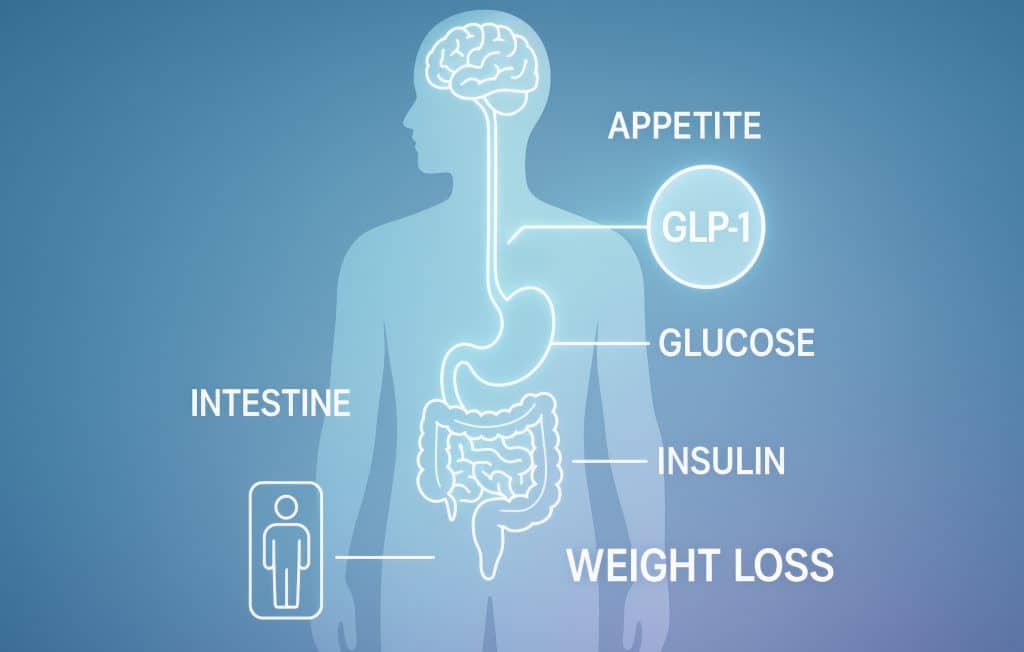
Semaglutide’s remarkable effectiveness in weight loss stems from its multifaceted mechanism of action. As a glucagon-like peptide-1 (GLP-1) receptor agonist, semaglutide mimics the natural GLP-1 hormone produced in the intestines. This hormone plays a crucial role in regulating various bodily functions, including appetite, insulin secretion, and gastric emptying. Activation of these receptors by semaglutide reduces hunger, controls blood sugar levels, and promotes a feeling of fullness.
The way semaglutide works is akin to a master conductor orchestrating a symphony of physiological responses:
- When introduced into the body through weekly subcutaneous injections, it activates GLP-1 receptors in the brain, particularly in the hypothalamus, to regulate appetite and reduce food intake.
- It slows down the rate at which food leaves the stomach, prolonging the sensation of fullness and reducing overall calorie intake.
- It enhances glucose-dependent insulin secretion, which is crucial for maintaining healthy blood sugar levels.
Understanding these mechanisms provides a clearer picture of how semaglutide promotes weight loss and improves metabolic health. Now, let us delve deeper into each of these mechanisms to see how they contribute to its overall efficacy.
Appetite Regulation
The hypothalamus, a small but mighty region of the brain, plays a central role in regulating our hunger and satiety signals. Semaglutide taps into this brain centers by activating GLP-1 receptors, which significantly reduces hunger sensations and food cravings. This action typically begins to take effect within one to two weeks of starting the treatment, marking the onset of a transformative weight loss journey.
Reducing the desire to eat and controlling calorie intake, semaglutide aids in promoting weight loss and maintaining it over the long term. This appetite regulation is a crucial component of chronic weight management, as it addresses one of the fundamental challenges in weight loss—reducing hunger and maintaining a healthy diet.
For many individuals, this can be a significant turning point in achieving and sustaining their key factor in weight loss goals.
Delayed Gastric Emptying
Another critical mechanism through which semaglutide promotes weight loss is by slowing gastric emptying. Essentially, this means:
- Semaglutide delays the rate at which food exits the stomach and enters the gastrointestinal tract.
- This prolongs the feeling of fullness after meals.
- The delayed gastric emptying can significantly reduce overall food intake.
- This reduction makes it easier to adhere to a balanced diet and manage calorie consumption.
This effect is not just a minor delay; semaglutide can slow gastric emptying by up to 70%, which has a profound impact on satiety and hunger levels. Extending the duration of satiety makes individuals less likely to experience the pangs of hunger that often lead to overeating or snacking between meals. This mechanism is particularly beneficial for long-term weight management and achieving sustained weight loss.
Glucose-Dependent Insulin Secretion
The regulation of blood sugar levels is another cornerstone of semaglutide’s effectiveness. Semaglutide enhances glucose-dependent insulin secretion, meaning that it prompts the pancreas to release more insulin in response to high blood glucose levels. This action is crucial for maintaining healthy blood sugar levels and preventing the spikes and crashes that can lead to increased hunger and overeating.
This mechanism works hand in hand with the suppression of glucagon, another hormone that raises blood sugar levels. Improving insulin secretion and reducing glucagon levels, semaglutide helps regulate lower blood sugar levels and support metabolic health while also being relevant to diabetes medications.
This dual action not only aids in weight loss but also provides significant benefits for individuals with type 2 diabetes, making semaglutide a versatile treatment option to treat diabetes compared to other diabetes medications.
Suppression of Glucagon
In addition to enhancing insulin secretion, semaglutide also suppresses the release of glucagon, a hormone produced by the pancreas that raises blood sugar levels. By binding to GLP-1 receptors in the pancreas, semaglutide effectively reduces glucagon secretion, helping to maintain healthy blood sugar levels. This suppression of glucagon is vital for overall metabolic health and further contributes to the weight loss effects of semaglutide.
Maintaining healthy blood sugar levels is not only crucial for treating diabetes but also for preventing the metabolic imbalances that can lead to weight gain. Through its comprehensive approach of regulating appetite, slowing gastric emptying, enhancing insulin secretion, and suppressing glucagon, semaglutide offers a robust solution for weight loss and long-term weight management.
Clinical Evidence Supporting Semaglutide for Weight Loss
The efficacy of semaglutide for weight loss is well-documented through various clinical trials and studies. These trials have consistently shown that semaglutide not only promotes significant weight loss but also helps maintain it over the long term. Compared to other weight loss medications, semaglutide has demonstrated superior outcomes, making it a promising option for individuals seeking a non-surgical solution for weight management.
One of the most notable studies is the STEP 1 trial, which provided compelling evidence of semaglutide’s effectiveness. The trial results have been pivotal in establishing semaglutide as a leading treatment for weight loss.
Let us delve into the specifics of the STEP 1 trial and the long-term results observed in these clinical studies.
The STEP 1 Trial
The STEP 1 trial, published in the New England Journal of Medicine in 2021, involved 1,961 participants and provided groundbreaking results on the efficacy of semaglutide for weight loss. Participants in the trial experienced a significant reduction in body weight, averaging around 14.9% after 68 weeks of treatment, compared to just 2.4% in the placebo group. These results highlight the substantial impact semaglutide can have on weight reduction.
Initial noticeable effects from semaglutide often emerge within the first month, with substantial weight loss generally observed after around 12 weeks. Some participants in the STEP 1 trial even lost up to 20% of their body weight, showcasing the potential for significant weight loss with this treatment. These findings underscore the promise of semaglutide as an effective weight loss medication.
Long-Term Results
The long-term efficacy of semaglutide has also been demonstrated in the STEP trials and other clinical studies. The STEP 1 trial showed an average weight loss of 15% of body weight over 68 weeks, indicating that the benefits of semaglutide can be sustained over extended periods. This sustained weight loss is crucial for individuals seeking long-term weight management and improved metabolic health.
Maintaining weight loss after achieving initial goals requires ongoing lifestyle changes and regular follow-up with healthcare providers. Behavioral modifications, including dietary changes and increased physical activity, play a critical role in the success of semaglutide treatment for long-term weight maintenance.
Combining semaglutide with these lifestyle changes enables individuals to achieve and sustain significant weight loss.
Who Can Benefit from Semaglutide?

Semaglutide is not a one-size-fits-all solution, but it offers significant benefits for specific groups of individuals. Those with a body mass index (BMI) of 30 or higher, or a BMI of 27 or higher with weight-related health issues such as hypertension or type 2 diabetes, may be eligible for semaglutide treatment. This criterion ensures that the treatment is targeted towards those who are most likely to benefit from it.
Approximately 70% of American adults who are obese or overweight can potentially benefit from semaglutide. However, it is essential to consult with a primary care physician (PCP) before considering semaglutide for weight loss. The physician can evaluate individual health conditions and determine if semaglutide is a suitable option.
Furthermore, specific contraindications must be considered to ensure the treatment is safe and effective.
BMI and Weight-Related Conditions
Individuals with a BMI of 30 or greater, or a BMI of 27 or greater with a weight related condition such as hypertension or type 2 diabetes, are prime candidates for semaglutide treatment. These individuals often struggle with excess weight that poses significant health risks, including high blood pressure, high cholesterol, and sleep apnea. Addressing these conditions, semaglutide can promote weight loss and improve overall metabolic health.
The use of semaglutide in these populations not only helps in losing weight but also in managing and potentially reversing weight-related health conditions. For many, this reduction in the need for other weight loss medications or even avoiding bariatric surgery. Thus, semaglutide offers a non-surgical option for significant weight loss and improved health outcomes.
Exclusion Criteria
While semaglutide offers numerous benefits, it is not suitable for everyone. Individuals who should avoid semaglutide include:
- Those with a personal or family history of medullary thyroid cancer
- Those with multiple endocrine neoplasia syndrome type 2 (MEN 2)
- Those who have severe allergic reactions to semaglutide or any of its components
Before initiating semaglutide treatment, a thorough medical history and consultation with a healthcare provider are essential to identify any contraindications and potential risks. This precaution ensures that the treatment is administered safely and effectively, minimizing the risk of adverse effects and maximizing the benefits of weight loss.
Administration and Dosage
Administering semaglutide correctly is crucial for its effectiveness. Key points about its administration include:
- Semaglutide is administered once a week.
- The method used is subcutaneous injection, which involves injecting the medication under the skin rather than into the muscle.
- This weekly administration ensures a consistent and controlled release of the medication.
- Consistent release is vital for achieving the desired weight loss results.
Semaglutide must be refrigerated before its first use to maintain its efficacy. The use of pre-filled pen injectors makes the administration process more convenient and straightforward for patients. Adhering to the prescribed dosage and administration protocol is essential for the treatment’s effectiveness and safety.
Injection Protocol
The protocol for administering a semaglutide injection involves subcutaneous injections with the following guidelines:
- Injections are typically given in the abdomen, thigh, or upper arm.
- Rotate injection sites with each dose to prevent irritation and ensure better absorption.
- This practice minimizes discomfort.
- It also reduces the risk of developing injection-site reactions.
Patients should follow the guidelines provided by their healthcare provider and ensure the medication is administered correctly each time. Regular consultations with a healthcare provider can help monitor the treatment’s progress and address any concerns or issues that may arise during the course of semaglutide treatment.
Dose Escalation
To minimize potential side effects and allow the body to adjust, semaglutide treatment typically begins with a lower dose that gradually increases over time:
- Start with a dose of 0.25 mg weekly for the first four weeks
- Increase to 0.5 mg weekly for another four weeks
- Continue escalating the dose to 1 mg weekly
- Then increase to 1.7 mg weekly
- Finally, reach a maintenance dose of 2.4 mg weekly
This dose escalation protocol, which typically takes 16 to 20 weeks, helps manage and reduce the severity of side effects. If a missed dose occurs, it is recommended to take it as soon as possible, but not within two days of the next scheduled dose. Following this protocol ensures that the treatment is both safe and effective.
Potential Side Effects and Risks

Like any medication, semaglutide comes with potential side effects and risks. Common side effects include:
- Nausea
- Diarrhea
- Constipation These side effects often peak during the dose escalation phases and tend to decrease over time. They are generally mild to moderate and can be managed with proper medical supervision.
However, there are also serious risks associated with semaglutide, such as pancreatitis and gallbladder disease. Individuals with a personal or family history of certain medical conditions, such as medullary thyroid carcinoma or multiple endocrine neoplasia syndrome type 2, should avoid using semaglutide. Regular check-ups and close monitoring by healthcare providers are crucial to identify and manage any adverse effects promptly.
Common Side Effects
The most common side effects of semaglutide, experienced by many patients, include nausea (44%), diarrhea (30%), and constipation (24%). These adverse effects are most pronounced during the initial phases of dose escalation but tend to subside as the body adjusts to the medication. Proper hydration, dietary adjustments, and gradual dose escalation can help mitigate these side effects.
It is important to communicate any persistent or severe side effects to a healthcare provider. Adjustments to the treatment plan or additional supportive measures may be necessary to ensure the patient’s comfort and safety during semaglutide treatment.
Serious Risks
Although rare, serious risks associated with semaglutide include pancreatitis, gallstones, and thyroid tumors. These risks underline the importance of regular medical supervision and thorough medical history evaluation before starting treatment. Regular monitoring can help detect any early signs of these conditions and enable timely intervention.
Patients should be aware of the symptoms of serious side effects, such as severe abdominal pain, which may indicate pancreatitis or gallbladder disease. Immediate medical attention is necessary if any serious adverse effects are suspected. Ensuring that patients are well-informed about these potential risks can help in the effective management and continuation of their weight loss journey with semaglutide.
Importance of Lifestyle Changes

While semaglutide can significantly aid in weight loss, it is not a standalone solution. Integrating lifestyle changes, such as a healthy diet and regular physical activity, is essential for maximizing the benefits of semaglutide. Establishing clear and achievable goals before starting treatment can help individuals stay motivated and committed to their weight loss journey.
Semaglutide should be viewed as a tool that works best in conjunction with sustainable lifestyle modifications. Setting realistic expectations and maintaining a positive outlook are key factors in achieving long-term success. By fostering healthier habits, individuals can enhance the effectiveness of semaglutide work and enjoy improved metabolic health and overall well-being.
Diet and Exercise
When using semaglutide, consider the following recommendations:
- Maintain a balanced diet rich in nutrient-dense foods.
- Consult a healthcare provider or a dietitian for personalized dietary recommendations that complement the medication and promote weight loss.
- Engage in regular physical activity, as it enhances the results of semaglutide treatment and helps maintain weight loss.
Incorporating exercise into daily routines, such as walking, cycling, or strength training, can further support weight management goals. These lifestyle changes not only contribute to weight loss but also improve cardiovascular health, reduce the risk of chronic diseases, and enhance overall quality of life.
Behavioral Modifications
Behavioral modifications are essential for the long-term maintenance of weight loss achieved with semaglutide. Developing structured exercise routines, adopting healthy eating habits, and setting realistic goals can significantly enhance the effectiveness of the treatment. Regular physical activity and dietary adjustments reduce the risk of chronic conditions like cancer, diabetes, and heart disease.
Implementing these changes requires commitment and consistency, but the benefits are well worth the effort. By combining semaglutide with a holistic approach to health and wellness, individuals can achieve sustained weight loss and improved metabolic health.
Setting Realistic Expectations
Setting realistic expectations is crucial for maintaining motivation and commitment during semaglutide treatment. Key points to consider include:
- Recognizing that weight loss takes time is essential.
- This perspective can keep individuals motivated and focused on their goals.
- Before starting semaglutide, setting achievable milestones can provide a sense of progress and accomplishment.
Recognize that visible results may take time to manifest. Focusing on small, incremental changes and celebrating each milestone can help maintain a positive outlook throughout the weight loss journey. Patience and persistence are key to achieving long-term success with semaglutide.
Timeline for Results
Individuals may start noticing weight loss results within a few weeks of starting semaglutide treatment, but the timeline can vary significantly. The typical progression is:
- Visible weight loss is usually observed 4 to 8 weeks after the beginning of dose escalation.
- Significant results can be expected within 3 to 6 months.
- Peak outcomes are typically seen within 12 to 18 months.
Understanding this timeline helps set realistic expectations and encourages individuals to stay committed to their treatment plan. Regular follow-ups with healthcare providers can provide additional support and adjustments to the treatment as needed to ensure optimal results.
Maintenance of Weight Loss
Maintaining weight loss after reaching initial goals requires ongoing lifestyle modifications and regular monitoring. Behavioral strategies, such as goal-setting and self-monitoring, are crucial for long-term weight management with semaglutide. Developing coping mechanisms to manage cravings and emotional eating enhances the overall effectiveness of the treatment.
Ongoing lifestyle changes, including adhering to a balanced diet and consistent exercise, are necessary to lose weight and maintain weight loss. Regular consultations with healthcare providers can help individuals stay on track and make necessary adjustments to their weight management plan.
Summary
In summary, semaglutide represents a significant advancement in the field of weight loss medications. By understanding its multifaceted mechanisms of action, individuals can appreciate how semaglutide works to promote weight loss and improve metabolic health. Clinical evidence, particularly from the STEP trials, highlights the substantial and sustained weight loss that can be achieved with semaglutide.
However, it is essential to recognize that semaglutide is not a standalone solution. Combining the treatment with lifestyle changes, such as a healthy diet and regular physical activity, is crucial for achieving and maintaining long-term weight management. By setting realistic expectations and committing to ongoing lifestyle modifications, individuals can successfully navigate their weight loss journey and enjoy improved health and well-being.
Frequently Asked Questions
Who is eligible for semaglutide treatment for weight loss?
Individuals eligible for semaglutide treatment for weight loss have a body mass index (BMI) of 30 or greater, or a BMI of 27 or greater accompanied by weight-related conditions like hypertension or type 2 diabetes.
What are the common side effects of semaglutide?
The common side effects of semaglutide include nausea (44%), diarrhea (30%), and constipation (24%), with these effects generally peaking during dose escalation and decreasing over time.
How is semaglutide administered?
Semaglutide is administered once a week via subcutaneous injection in areas such as the abdomen, thigh, or upper arm. This method ensures effective delivery of the medication.
How long does it take to see results with semaglutide?
You can expect to see visible weight loss within 4 to 8 weeks after starting semaglutide, with significant results typically occurring within 3 to 6 months and peak outcomes reached in 12 to 18 months.
What should be considered before starting semaglutide treatment?
Before starting semaglutide treatment, it is crucial to consult with a healthcare provider to review your medical history for contraindications and potential risks, including any history of medullary thyroid carcinoma or severe allergic reactions. This ensures safe and effective use of the medication.